



Grinding & Precision Finishing Estimating, For Work Priced by Tolerance, Not Just Time
Surface, cylindrical, centerless, and ID/OD grinding, plus honing and lapping — priced through a consistent, structured standard instead of an estimator’s gut feel on tolerance class.
The Problem

Grinding time is driven heavily by the tolerance and finish called out on the print — a tighter spec can mean significantly more time on the same nominal dimension, which is easy to underestimate.

Grinding shops often work from blanks supplied by the customer or another shop, so the incoming part cost and the grinding cost need to be tracked together, not separately.

Without a structured standard, two estimators can price the same tolerance class differently, and margin is the first thing that slips.
How Micro Estimate Estimates Grinding & Precision Finishing Work
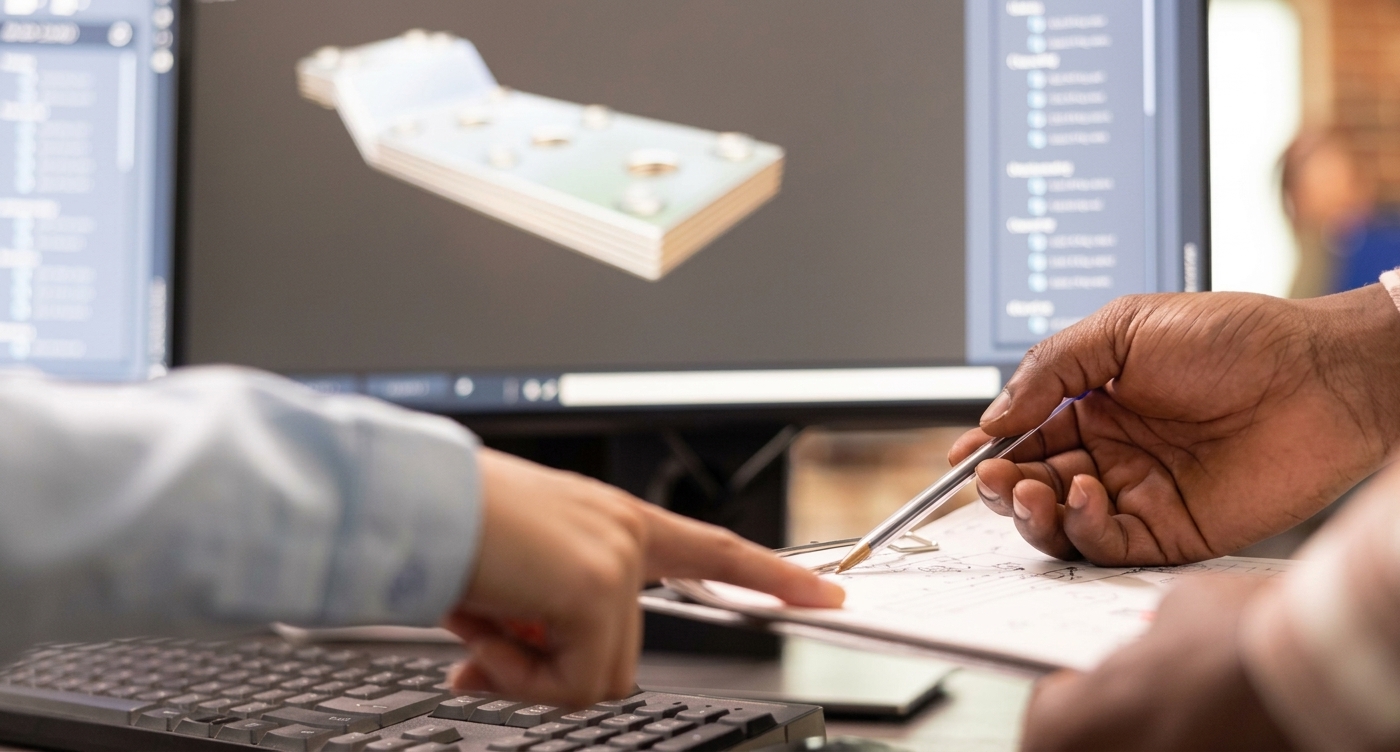
Structured entry for grind, hone, and lap time.
Grinding, honing, and lapping don’t have a confirmed automated way to read time off a drawing, so Micro Estimate gives estimators a structured, repeatable place to enter them — organized by operation and tolerance class, instead of priced from memory.
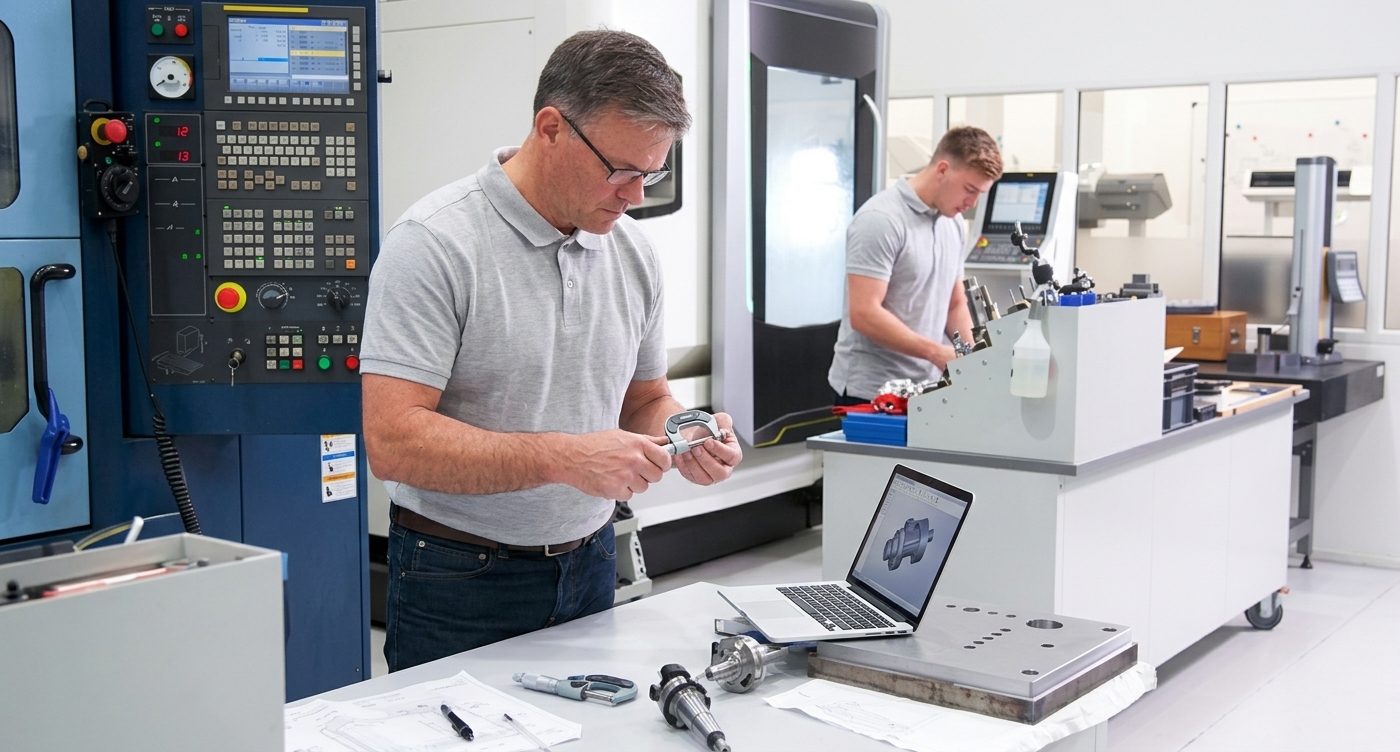
Incoming blank cost, tracked in the same estimate.
Whether the blank is customer-supplied, purchased, or produced in-house on a mill or lathe, its cost is tracked in the same routing as the grinding operations that follow it, through the platform’s material and purchased-parts libraries.
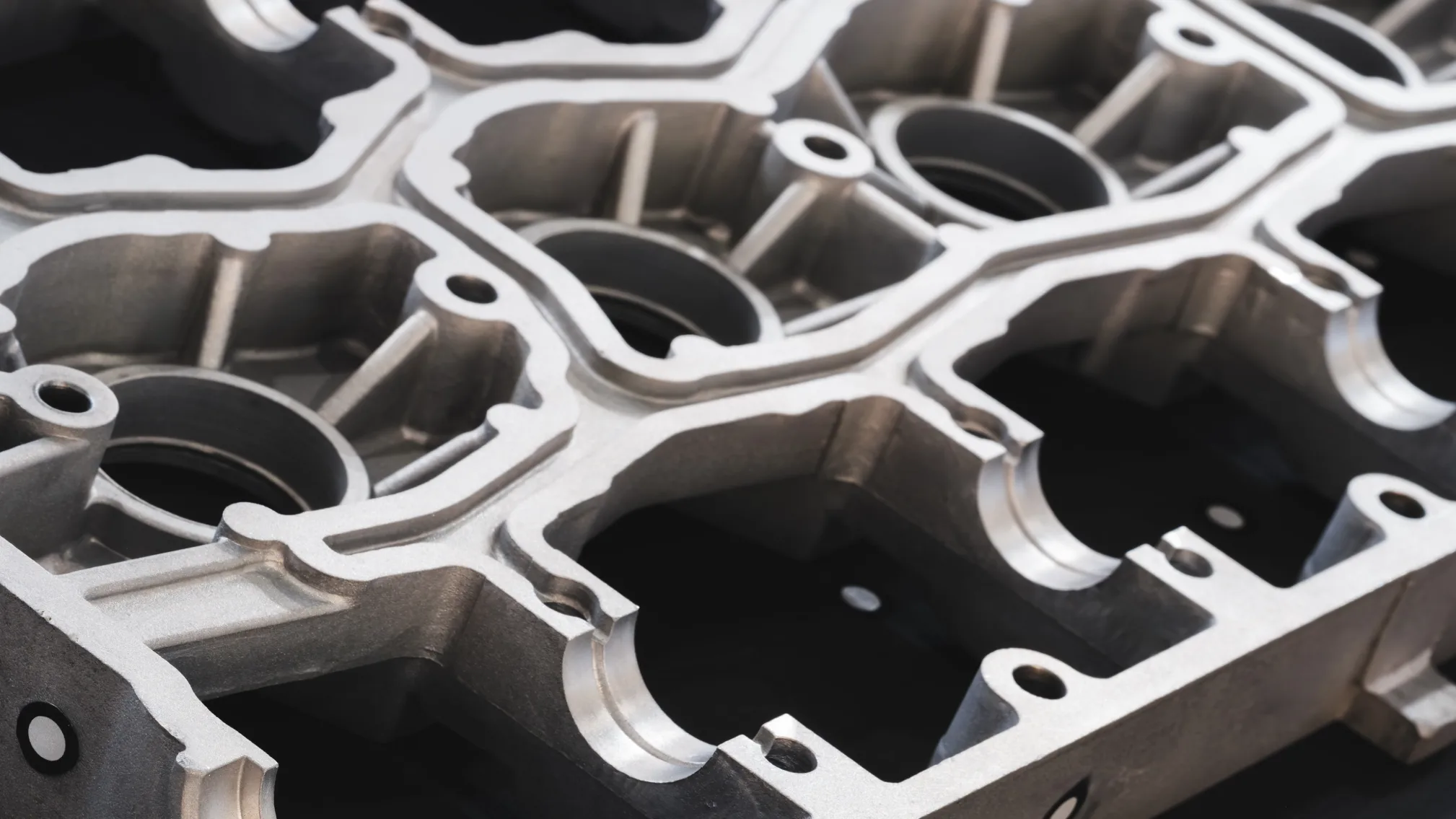
One estimate from blank to finished part.
Grinding operations, any upstream machining, and outside processing all live in the same routing, so the quote reflects the full cost of getting the part to spec.

What's Included

Structured cost entry for surface, cylindrical, centerless, and ID/OD grinding
Structured cost entry for honing and lapping
Material and purchased-parts libraries for incoming blanks
Configurable labor rates, overhead, and margin rules by operation
Customer quote letters, cost breakdowns, shop travelers, and routing documentation
Who It’s For
Grinding shops and precision finishing operations working to tight tolerance and surface-finish specs — whether as a dedicated grinding house or a finishing step inside a larger machine shop.