



Sheet Metal Fabrication Estimating, Built Around How the Work Actually Gets Done
The Problem

Cutting cost lives in one tool.
Everything after it lives in a spreadsheet. Nesting software knows the material cost. Nothing connects it to the rest of the job.

Bends, welds, and hardware get priced from memory.
An experienced estimator knows the numbers — until they’re out sick, or the job goes to someone newer.

Two estimators, two different prices for the same job.
Without a shared standard, margin is the first thing that slips.
How Micro Estimate Estimates Sheet Metal Work
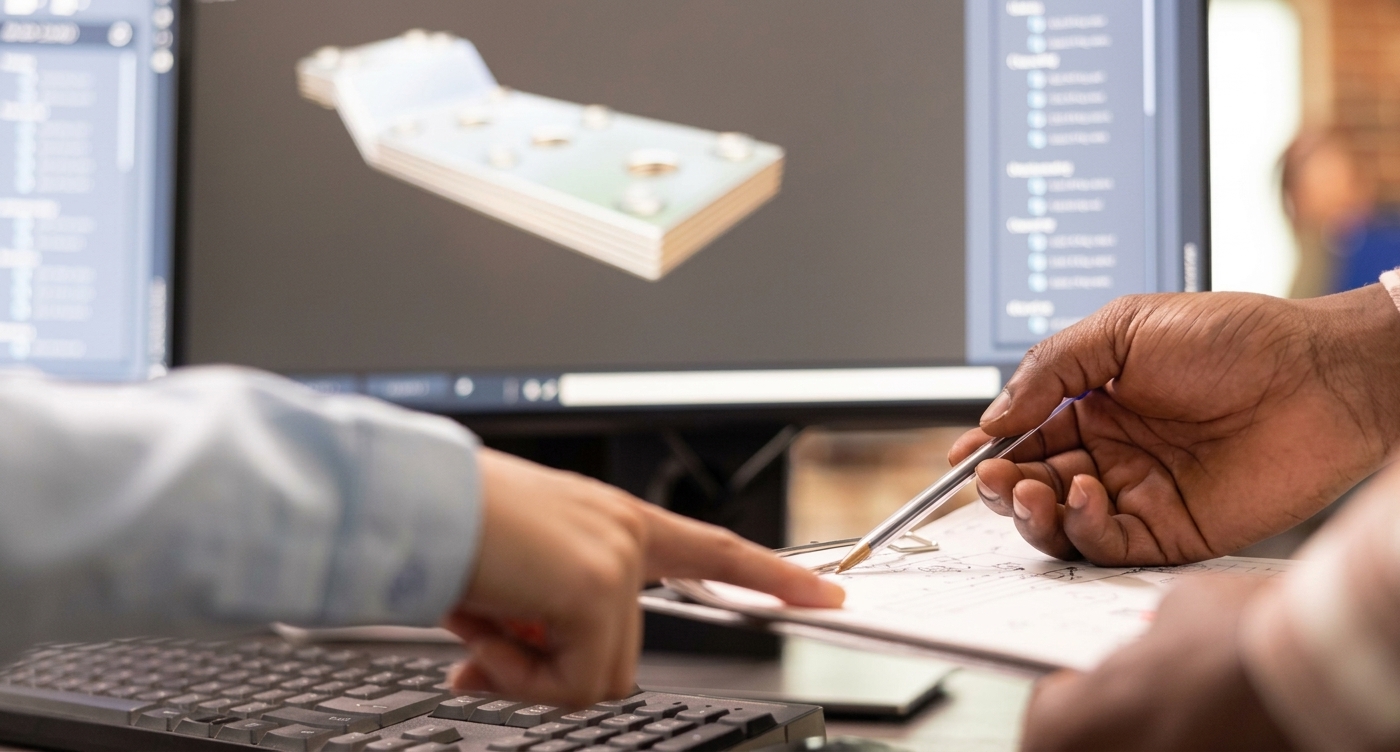
CAD-driven cutting costs.
When a 3D model is available, Micro Estimate reads the geometry and recognizes cutting features for laser, plasma, punch, waterjet, oxy-fuel, and digitizing — generating nests and calculating material usage and cutting cost directly from the part.
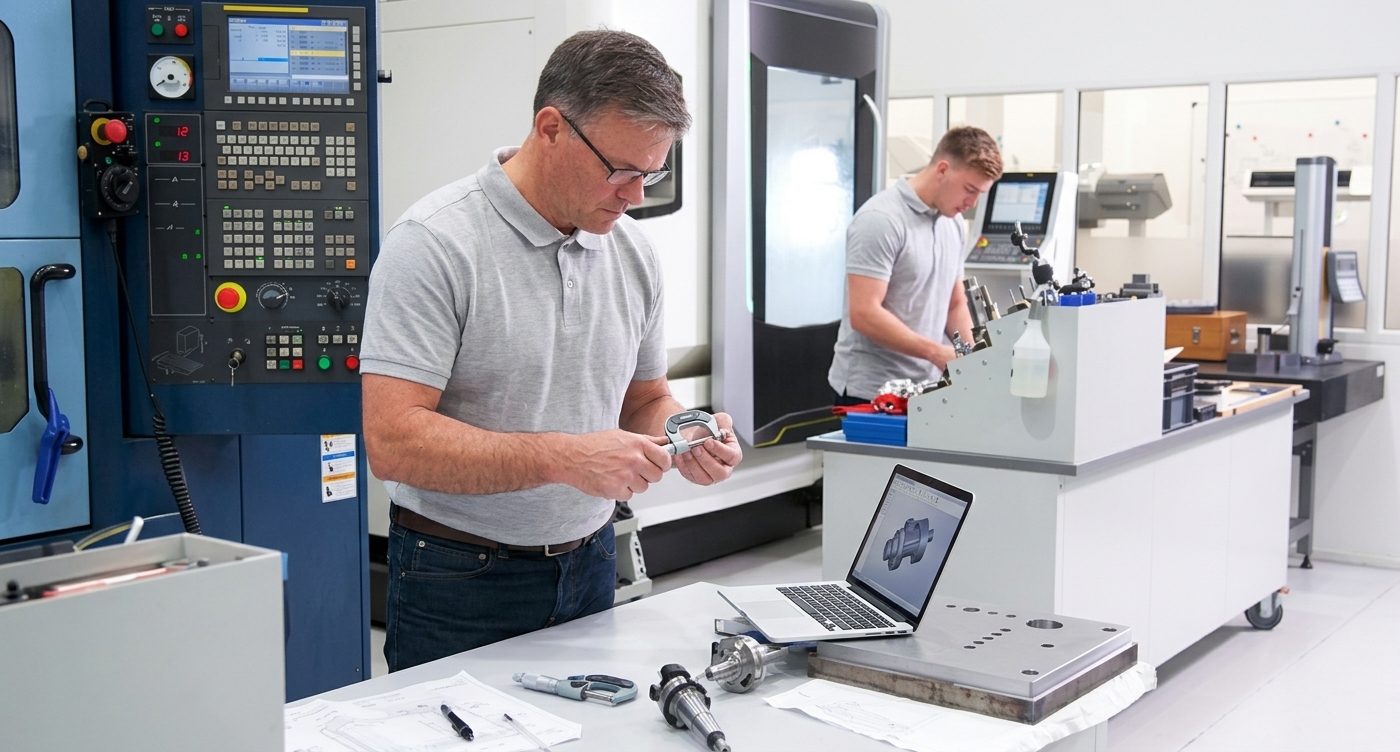
Structured entry for everything after the cut.
Bending, forming, hardware insertion, welding, and finishing don’t have an automated way to read time off a drawing, so Micro Estimate gives estimators a consistent, structured place to enter them — dollars per weld-inch, time per bend, hardware cost, finish operations — instead of leaving it to memory.

What's Included in Micro Estimate Sheet Metal Workflow

Material libraries — stock sizes, shapes, costs, and gauges
Purchased components and outside services
Configurable labor rates, overhead, and margin rules
BOMs for multi-part sheet metal assemblies