



Screw Machine & Swiss Turning Estimating, Built on Real Turned-Part Cycle Time
Bar stock, multi-spindle setups, and high-volume turned parts — priced from your shop’s own lathes and tooling, not an industry average.
The Problem

High-volume turned parts get quoted per-piece from experience, without a real per-operation cycle time behind the number. At volume, a small miss compounds fast.

Multi-spindle and bar-fed jobs carry setup and changeover costs that are easy to leave out of a quick per-piece estimate.

Tight tolerances on turned features raise the cost of guessing — there’s less room to absorb an inaccurate cycle time than on a low-volume job.
How Micro Estimate Estimates Turned-Part Work

Real cycle time from your own lathes.
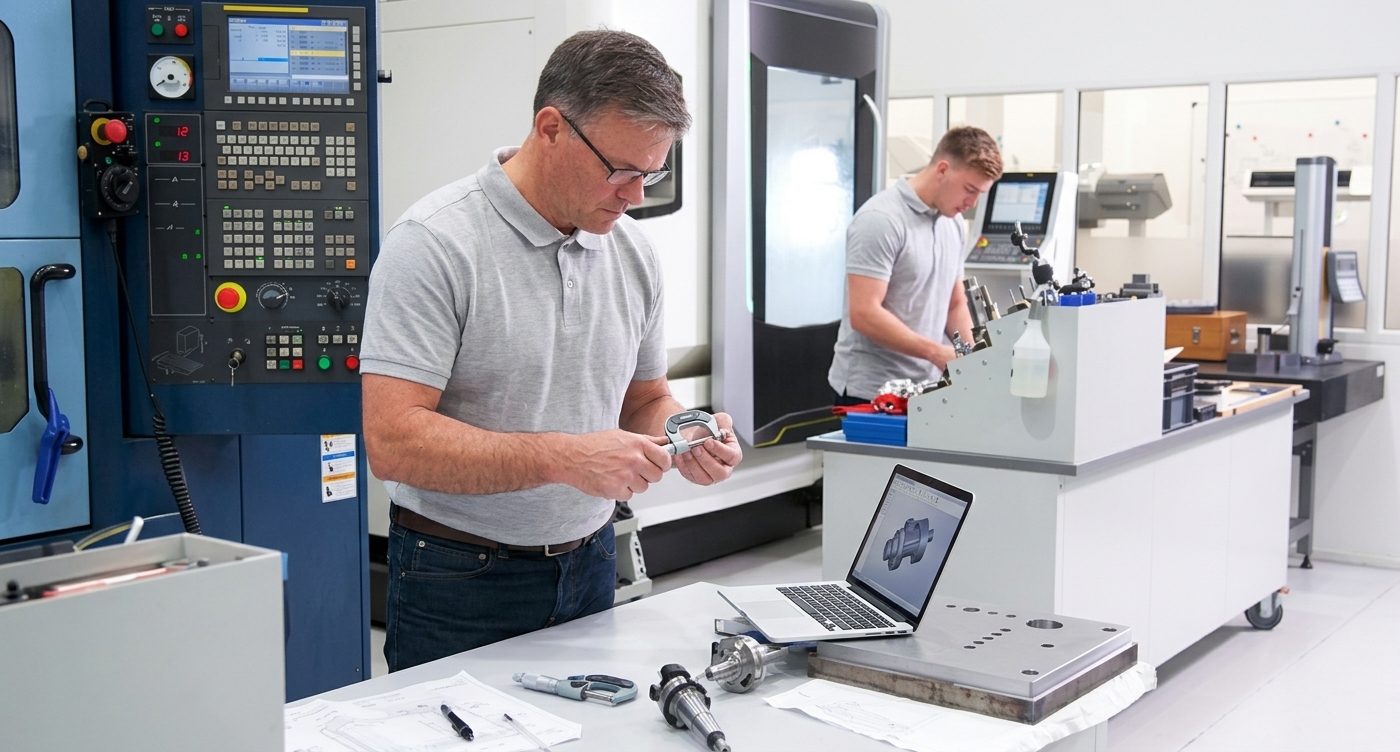
A shop gets a 3D file (usually STEP) from a customer. Micro Estimate uses SolidWorks’ Automatic Feature Recognition to read the geometry and identify turned features. CAMWorks then generates a toolpath using your shop’s own CNC lathes, tooling, and materials/speeds-and-feeds library, producing a real, shop-specific cycle time per operation instead of an industry average.
Material cost from real bar stock sizing.
Material is rounded to a real, purchasable bar stock size with live vendor pricing, not a rough per-pound estimate.
Setup and changeover, priced explicitly.
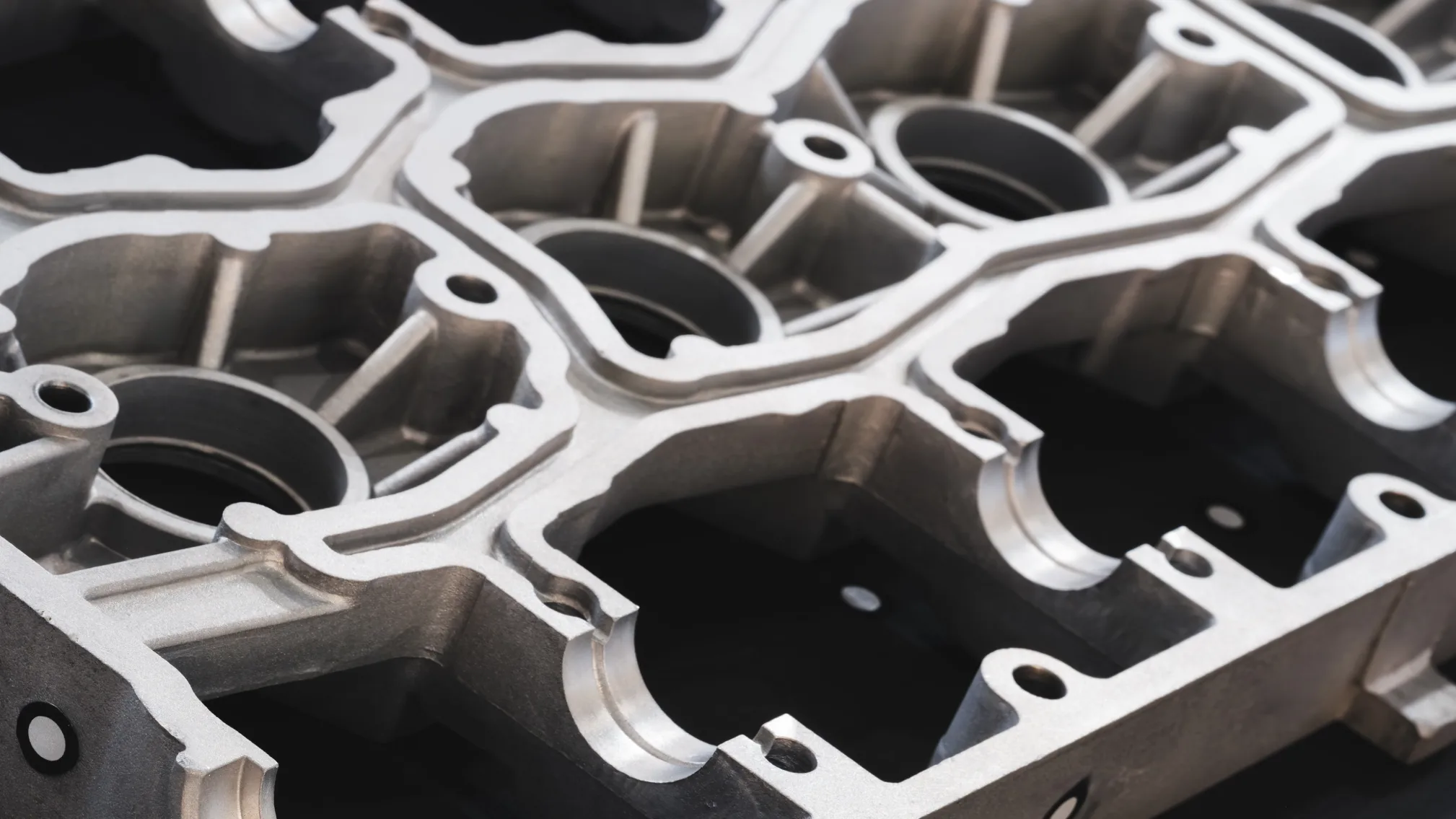
Setup standards and production efficiencies are part of the same estimate as cycle time, so multi-spindle and changeover costs show up in the quote instead of getting absorbed into the per-piece number.

What's Included

Automatic Feature Recognition for turned features, via SolidWorks
CAMWorks toolpath generation using your own lathes, tooling, and speeds/feeds
Real, purchasable bar stock sizing with live vendor pricing
Setup standards and production efficiencies built into the estimate
Editable workflow — swap machines, reorder operations, recalculates live (MicroExpress)
Emailed or printed customer quote
Who It’s For
Screw machine shops, Swiss turning shops, and job shops producing high-volume turned parts — shafts, pins, fittings, and other bar-fed or chucked components.
we’ll route you based on which processes your work involves (Michael for CNC/MicroExpress, Leonard for fabrication and welding)